
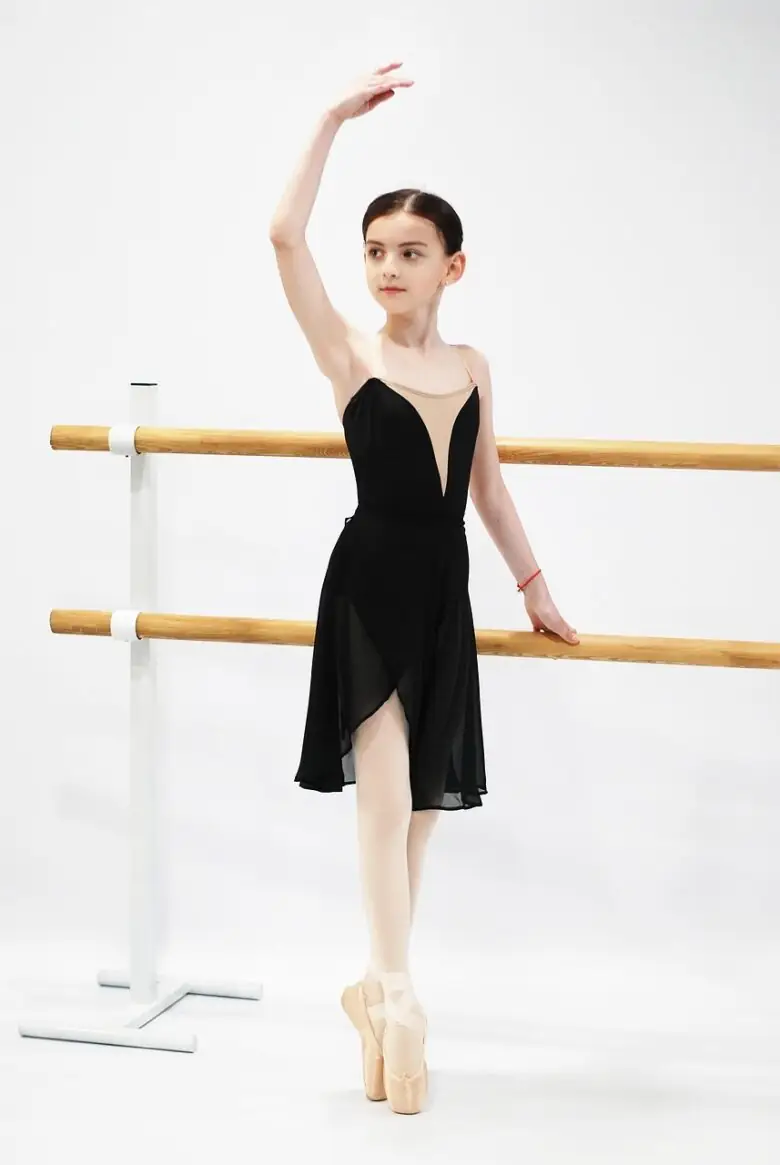
Many adults come back to dance after years away – after school, studies, work or children. The good news: the steps are still in your memory. The challenge: your body has changed, and it needs time to catch up with what you remember. Here is how to plan a comeback that is safe and enjoyable.
What changes after a long break
- Memory stays: you will recognise the steps, the terms and the structure of a class surprisingly quickly.
- Strength, flexibility and stamina drop: they come back with regular training, but not in a few weeks.
- Tendons and joints adapt more slowly than muscles: they need a gradual increase in load.
- The biggest risk is the gap: your head remembers your old extension and jumps, your body is not there yet. Pushing to your old range too early is a common cause of early injuries.
Before your first class back
- Choose the right level: a beginner, open or adult class – not the level you left at.
- Talk to the teacher: how long you danced, how long you stopped and any old injuries. Good teachers adapt their corrections.
- Check your health: with past injuries or health problems, ask a doctor or physiotherapist first.
- Start with one or two classes a week and add more once your body copes well.
- Check your kit: old shoes may no longer fit. New ballet slippers and comfortable ballet clothes are enough. Pointe shoes come later – only once your strength is back and your teacher agrees.

The first weeks
- Work at less than your full range: lower extensions, smaller jumps.
- Mark difficult jumps and turns rather than forcing them.
- Muscle soreness for a day or two is normal. Sharp pain or joint pain is not – stop and get it checked.
- Leave at least one day between classes at the start.
Training outside class
Short sessions at home help you get back faster: foot and ankle strength with a resistance band, core exercises, balance on one leg, gentle stretching when you are warm. A band costs little and fits in any bag: elastic bands. Exercises: elastic band stretching exercises.
Choosing a studio
- Regular adult classes at a level that suits you.
- Groups small enough for the teacher to give corrections.
- A trial class before you commit.
- A timetable you can keep up with – regular classes matter more than many classes.
Expect mixed feelings
A comeback brings joy and frustration in equal measure. Compare yourself with where you were last month, not with your teenage self. Progress comes over weeks and months, not from one class to the next.
A realistic timeline
- The first weeks: getting used to the class again, soreness, lots of “I used to be able to do this”.
- After a few months of regular classes: more strength and stamina, the steps feel familiar again.
- Later: more classes, performances or pointe work – decided together with your teacher.
If progress stalls later on, see why dance progress stalls and how to get moving again.
FAQ
Is it too late to get back into ballet?
No. Many studios have classes for adults, including adults who are returning. What matters is building up slowly.
How often should I train when I return?
Start with one or two classes a week and add more once your body copes well.
When can I go back on pointe?
Only once your feet, ankles and core are strong again, and only with your teacher’s agreement.


