
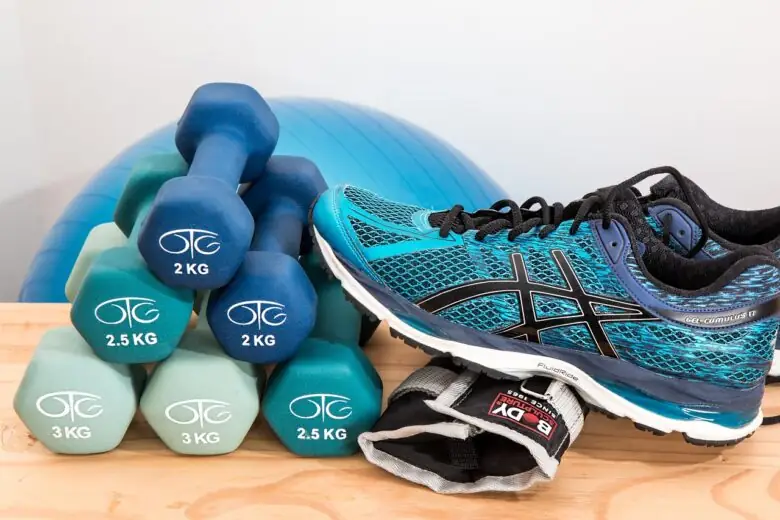
Pilates, weights, CrossFit, swimming, yoga: dancers hear a lot of advice about training outside class. Cross-training can make you stronger, improve stamina and help prevent injuries – if it fits your dance schedule. Too much of it, or the wrong kind at the wrong time, leaves you tired and stiff instead of better. Here is how to choose.
Why dancers cross-train
- Strength for jumps, lifts and stable landings.
- Stamina for long classes, rehearsals and performances.
- Balance between both sides – dance often favours one side.
- Injury prevention through stronger feet, ankles, hips and core.
Common mistakes
- Adding workouts on top of a full dance week without taking anything away.
- Training the same muscles that dance already works hard – for example many calf raises after a day of jumps.
- Hard sessions right before class, a performance or an exam.
- Copying a plan written for runners or bodybuilders.
Popular options compared
| Training | What it adds | Watch out for |
|---|---|---|
| Pilates | core control, alignment, precise movement | choose a qualified teacher |
| Strength training (body weight or weights) | power for jumps, stability in joints | start light, learn the technique, ideally with a coach |
| CrossFit and high-intensity circuits | general fitness, power, stamina | high load and intensity; risky when tired or with poor technique |
| TRX and suspension training | core, stability, body-weight strength | adjust the difficulty, keep good form |
| Swimming | stamina, easy on the joints | a good choice for recovery days |
| Running | stamina | extra impact for legs that already jump a lot – keep runs short and easy |
| Yoga | mobility, breathing, relaxation | do not force end ranges |
CrossFit or dancing – or both?
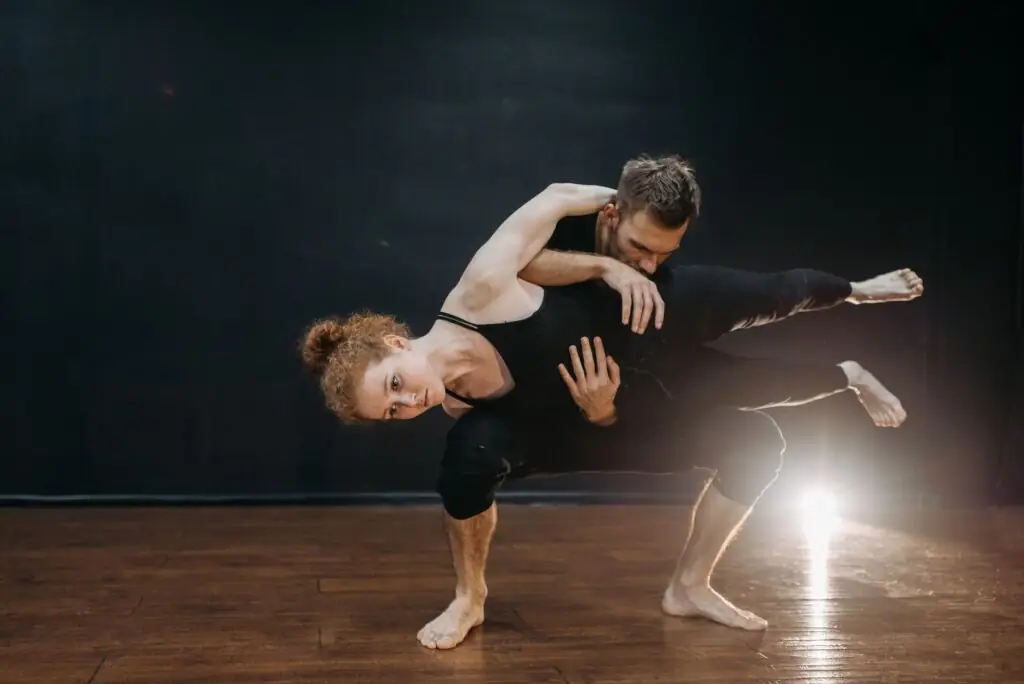
CrossFit and dance train different things. CrossFit builds general power and stamina at high intensity; dance needs control, flexibility, precision and endurance in specific positions. They can go together if you keep CrossFit to one or two sessions a week, scale the loads, focus on clean technique and leave rest before important classes, exams and performances. If you have to choose, dance classes come first – and strength work that supports them comes second.
Train the movement, not just the muscle
The most useful exercises resemble what dance asks of you: single-leg work, slow relevés, soft landings, core work while the arms and legs move, and foot strength. A resistance band covers much of this at home: elastic bands and exercises with an elastic band. More on useful accessories: which training accessories dancers really need.

Plan recovery
- Plan at least one day a week without hard training.
- Sleep enough, especially in rehearsal weeks.
- Pain that lasts or gets worse is a reason to see a doctor or physiotherapist – not to train harder.
Check your routine
- Write down your weekly hours: classes, rehearsals and every extra workout.
- For each session, note what it adds – strength, stamina or mobility.
- Remove or move anything that leaves you tired for the next class.
- Talk to your teacher about your plan.
Stuck in your progress? See why dance progress stalls.
FAQ
Is CrossFit good for dancers?
In small doses and with good technique, it can build power and stamina. It should not replace dance-specific training or tire you out before class.
What is the best cross-training for dancers?
For most dancers: strength training and Pilates for control, plus swimming or cycling for stamina on easy days.
How often should dancers cross-train?
Usually one to three short sessions a week, depending on how many classes you take.


