

Imagine a ballet performance not in the confines of a grand theater but in the wild open spaces of nature or unconventional urban settings. As artists, dancers have always thrived on challenging themselves and expressing emotions in new ways. Some performers and choreographers have taken this drive to extraordinary extremes, pushing ballet beyond the stage and into stunning, unexpected environments. Here’s a look at some of the most breathtaking and challenging settings for ballet — where the natural world and human artistry intersect.
Ballet in the mountains: dancing above the clouds
High-altitude locations like mountaintops may seem like an unlikely place for ballet, but some adventurous dancers have performed on peaks, using the sweeping landscapes and dizzying heights as a dramatic backdrop. These performances require incredible physical endurance. Lower oxygen levels challenge stamina, and uneven, often rocky surfaces demand meticulous control and balance. But the rewards are unparalleled: imagine a dancer en pointe against the vast backdrop of endless mountains and sky.
One famous example is a performance by ballerinas on the Swiss Alps, where dancers wore specially designed pointe shoes to adapt to the rocky terrain. Each graceful movement seemed to defy gravity, creating an image of ballet quite literally “on top of the world.”
In the heart of the desert: heat, sand, and ballet
The unforgiving heat and shifting sands of the desert create one of the most challenging terrains for any performer, let alone ballet dancers. Here, temperature, sandstorms, and the need to stay hydrated add layers of difficulty. Desert ballet performances have captivated audiences by highlighting the resilience of the human spirit in an environment where life seems impossible.
A notable performance occurred in the Sahara Desert, where dancers rehearsed for weeks to adapt their movements. The choreography had to be fluid to accommodate the sand, which shifted underfoot with every step. Dancers wore minimal, flowing costumes that complemented the desert’s raw beauty, each pirouette sending sand swirling, like an artistic sandstorm in motion.
Urban ballet: between skyscrapers and on rooftops
The urban jungle has been reimagined as a stage by many modern ballet troupes. Performing on skyscraper rooftops, between city streets, or even on pedestrian overpasses, dancers bring beauty and grace to the chaotic city environment. These performances present their own hazards, including confined spaces, harsh concrete surfaces, and unexpected distractions from the bustling surroundings.
One unforgettable performance took place in New York City, where dancers staged a rooftop ballet against the iconic skyline. Moving with the city lights twinkling behind them, these performances connect ballet with the rhythm of the city itself, bringing art closer to everyday people in an urban setting.
Underwater ballet: a dance of floating movements
Taking ballet underwater might seem like science fiction, but some performers have embraced this surreal environment to create a mesmerizing, dreamlike experience. Underwater ballet requires dancers to hold their breath for extended periods and use slower, more fluid movements to work with the water’s resistance. In a world without gravity, traditional ballet movements appear as if in slow motion, with each tendu and plié taking on an ethereal quality.
This rare and highly challenging form of ballet has been performed in large aquariums or even the ocean. Underwater scenes are magical, with costumes and hair flowing freely as if defying gravity, creating a dance that seems to exist in a world apart.
Forests and wilderness: embracing nature’s raw beauty
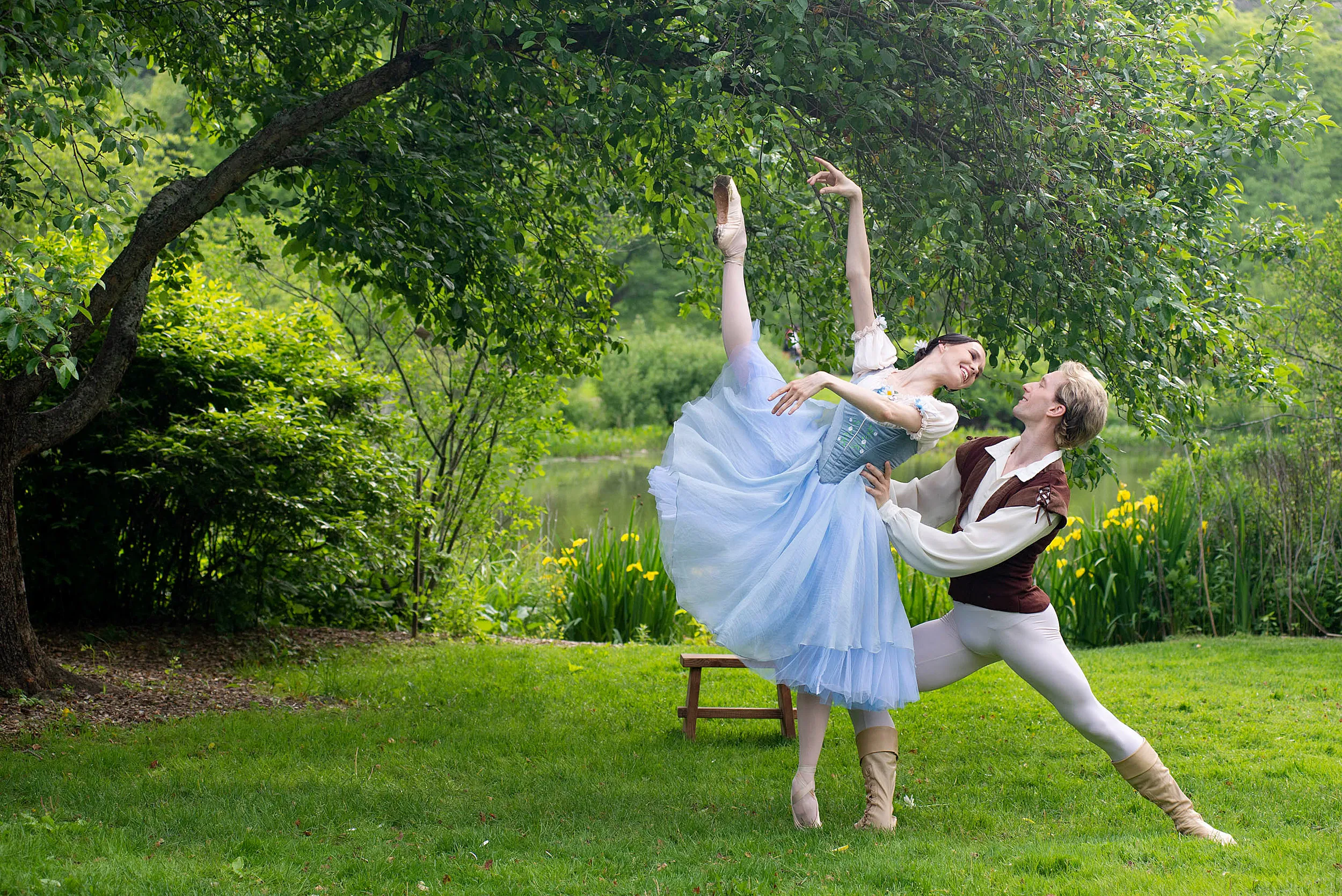
The dense, lush setting of a forest brings an earthy, natural quality to ballet. Performing among trees and rivers, dancers find themselves in close contact with the raw elements of nature. Forest settings pose logistical challenges, such as uneven terrain and weather unpredictability. However, they also offer a natural stage where dancers blend with the surrounding flora, moving as though they are part of the forest itself.
Forest performances have been staged in places like Canada’s rainforests and the Black Forest in Germany, where dancers move in sync with natural sounds like rustling leaves and birdsong. The choreography often incorporates the forest’s own “set,” with dancers weaving between trees or using fallen branches as part of their performance, creating an organic, immersive experience.
Dancing on ice: ballet in freezing temperatures
Perhaps one of the most extreme settings is performing ballet on ice. Although some elements of ice skating overlap with ballet, traditional ballet movements are far more difficult to execute on this slippery surface. Dancers on ice must adjust their technique to balance on an unpredictable and unforgiving surface.
In one remarkable performance in Siberia, dancers braved freezing temperatures to perform on a frozen lake. Special pointe shoes with rubber grips helped with traction, but balancing on ice required extraordinary core strength. The icy setting brought an added intensity to the dance, where each movement symbolized fragility and resilience.
The allure of extreme ballet performances
Why do dancers and choreographers seek out these extreme conditions? For many, the challenge itself is part of the art. Extreme settings push dancers to new limits, forcing them to adapt their techniques and create unique performances that resonate differently than a traditional stage production.
Audiences are often transported, experiencing ballet in a whole new way as it becomes intertwined with the beauty and unpredictability of nature or city life. These performances remind us that art knows no boundaries, and that even the harshest environments can be transformed into spaces of creativity, wonder, and human connection.
Extreme ballet performances represent the very essence of resilience, adaptability, and creative expression, proving that dance truly has the power to transform any space into a stage. For both dancers and audiences, these experiences are unforgettable, capturing the unique beauty that arises when art meets nature or the urban world.


