
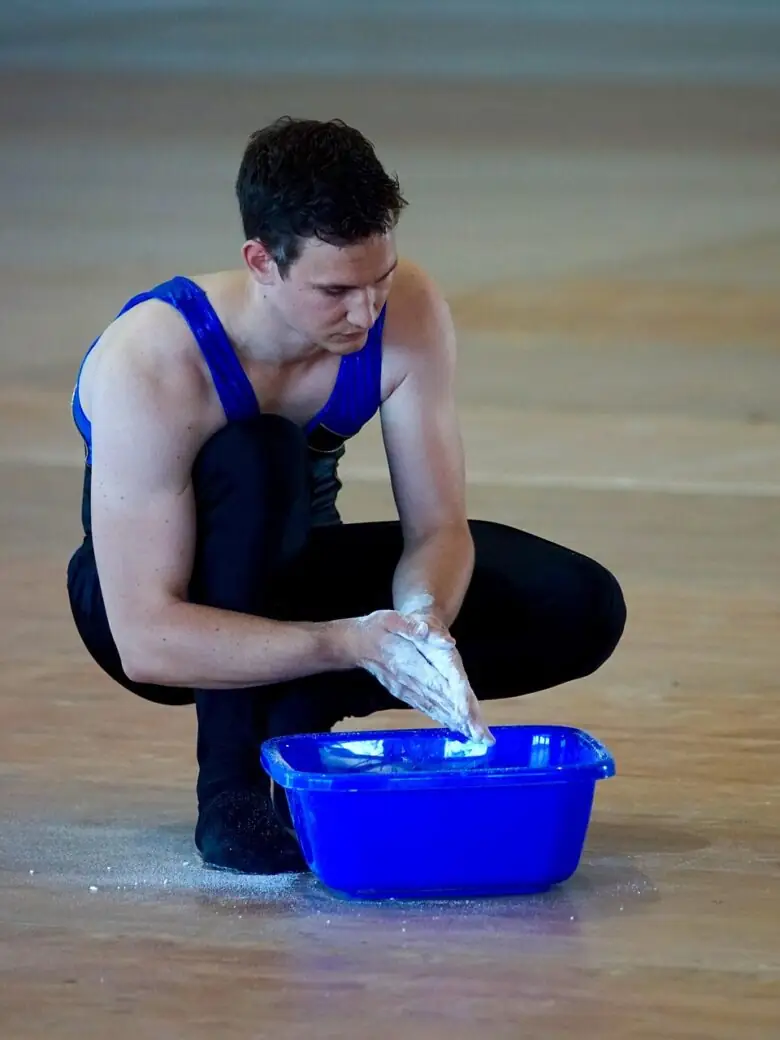
Shaking hands, a racing heart, the sudden feeling that you have forgotten the choreography: almost every dancer and gymnast knows the minutes before going on stage. Nerves are not a sign that you are not ready – they are the body preparing for something important. The aim is not to make them disappear, but to stop them taking over. Here is how.
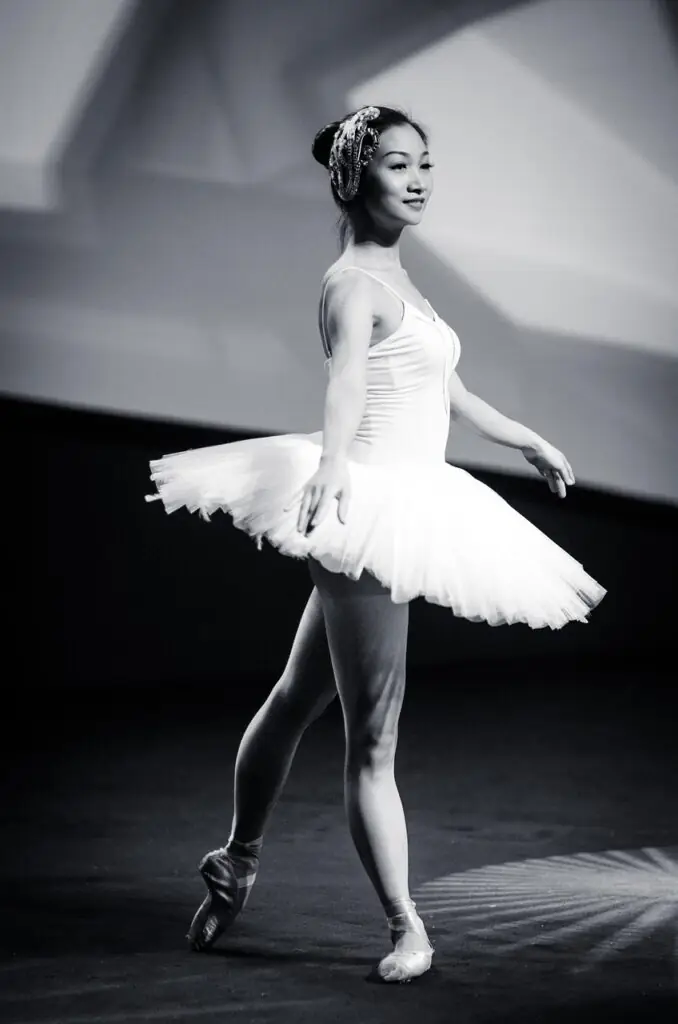
What nerves do in the body
Before a performance the body releases stress hormones such as adrenaline. The heart beats faster, breathing gets shallower, the muscles tense and the mind becomes alert. In moderation, that gives you energy and focus. Too much of it makes movements stiff, breathing short and thoughts jumpy. Most of the tools below work on exactly these effects.
Preparation is the best way to calm down
- Know the choreography thoroughly. Practise it until you could dance it tired, distracted or on a different floor – including the start and the end.
- Rehearse the situation, not just the steps. Do run-throughs in costume, in front of friends or family, or on camera.
- Plan the day: what to pack, when to arrive, when to warm up – see how to prepare backstage.
- Sleep and eat normally in the days before. Competition day is not the time for experiments.
Backstage: tools that help
- Slow breathing: breathe in for about four counts and out for six to eight. A longer exhale helps many people calm down.
- Move: a short activation – walking, small jumps, shaking out the arms – uses up some of the adrenaline and keeps the muscles warm.
- A focus word: one or two words that remind you of the most important point, such as “long neck” or “breathe”.
- A mental run-through: go through the routine in your head once, calmly, including the first steps after the music starts.
- Step away from the nervous crowd: if others around you are panicking, find a quieter corner.
If something goes wrong on stage
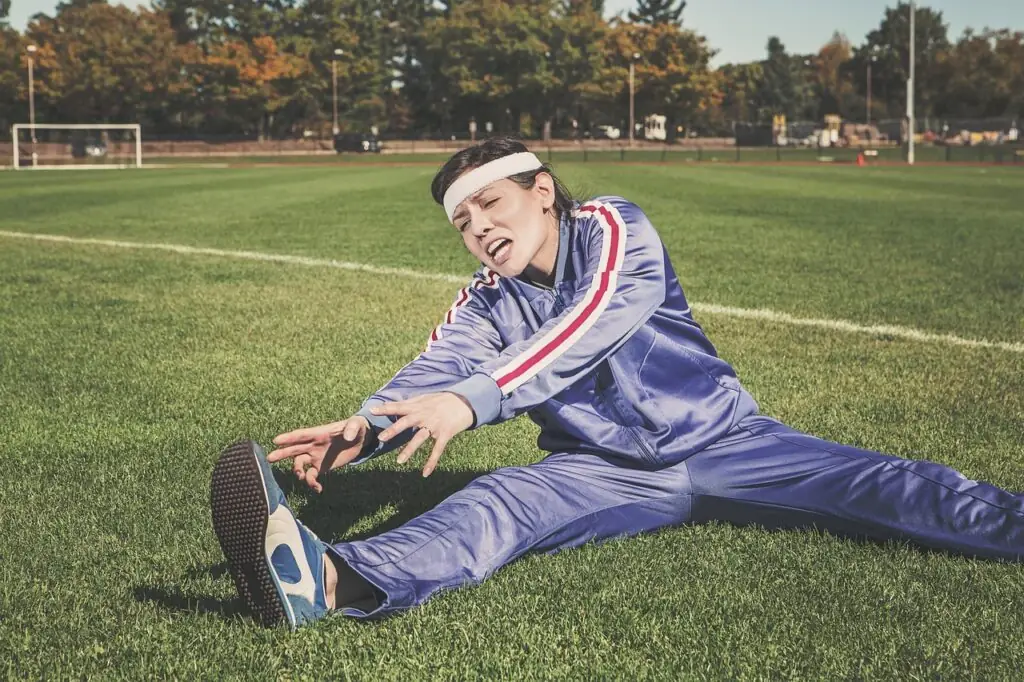
Almost every dancer has had a blank, a wobble or a dropped apparatus. What the audience remembers is usually how you carry on. Keep moving with the music, pick up the choreography at the next point you know, and keep your face and posture calm. In rhythmic gymnastics, recover the apparatus quickly and continue the routine. Do not stop to show that you made a mistake – many people will not even have noticed.
After the performance
Take a few minutes to come down: warm clothes, water, a short walk. Later – not straight away – think about what went well and what to change next time, and note it down. See the 10-minute debrief after class or performance.
When nerves are too much
If anxiety before performances regularly stops you from dancing, costs you sleep or makes you want to give up, talk to your teacher or coach and consider support from a sports psychologist or another professional. Performance anxiety is common, and it can be worked on.
FAQ
Is it normal to be nervous before a dance performance?
Yes. Most dancers are nervous before performing, including very experienced ones. The goal is to keep nerves manageable, not to get rid of them completely.
How can I calm down quickly backstage?
Slow breathing with a longer exhale, light movement and a short focus word are simple tools that help many dancers.
What should I do if I forget the choreography on stage?
Keep moving with the music, keep your expression calm and rejoin the choreography at the next part you know.


