
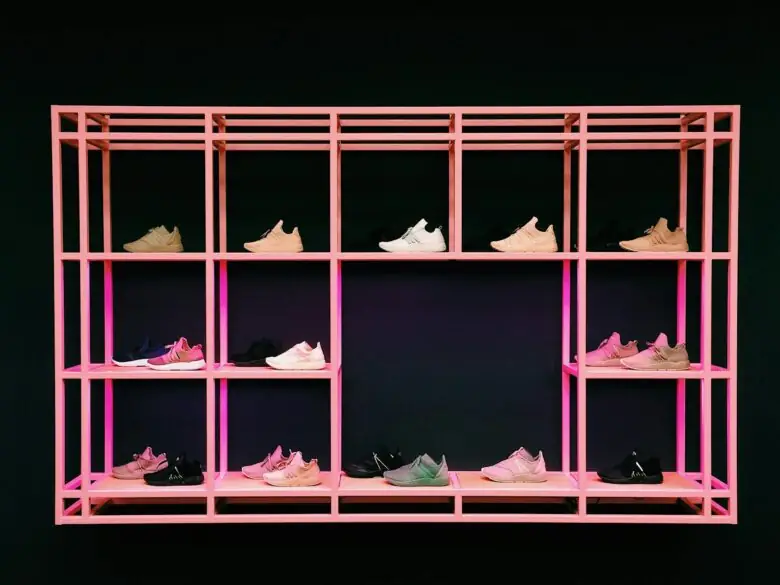
The best dance shoe is the one made for your style, your floor and your foot – not the most expensive one. Beginners often buy the wrong type: ballroom shoes for a jazz class, street trainers for ballroom, or pointe shoes long before the teacher asks for them. This guide shows which shoes each style needs, how they should fit and where it makes sense to save.
Which dance shoes for which style?
| Style | Shoe | Sole | Tip for beginners |
|---|---|---|---|
| Ballet | Soft ballet slippers, leather or canvas | Full or split sole | Pointe shoes only when your teacher says you are ready |
| Ballroom – Standard | Women: closed court shoes; men: lace-up Standard shoes | Suede | A lower heel, around 5 cm, is easier to control |
| Ballroom – Latin | Women: open sandals; men: Latin shoes with a Cuban heel | Suede | Start with a heel of about 5 to 6.5 cm |
| Practice and teaching | Practice shoes with a low heel or split-sole dance trainers | Suede or split rubber | Comfortable for long sessions |
| Jazz and contemporary | Jazz shoes, foot thongs or bare feet | Split sole with rubber or suede patches | Ask what your class uses |
| Rhythmic gymnastics | Half shoes | Cover only the front of the foot | Snug fit, chosen by foot length |
Ballet: start with soft slippers
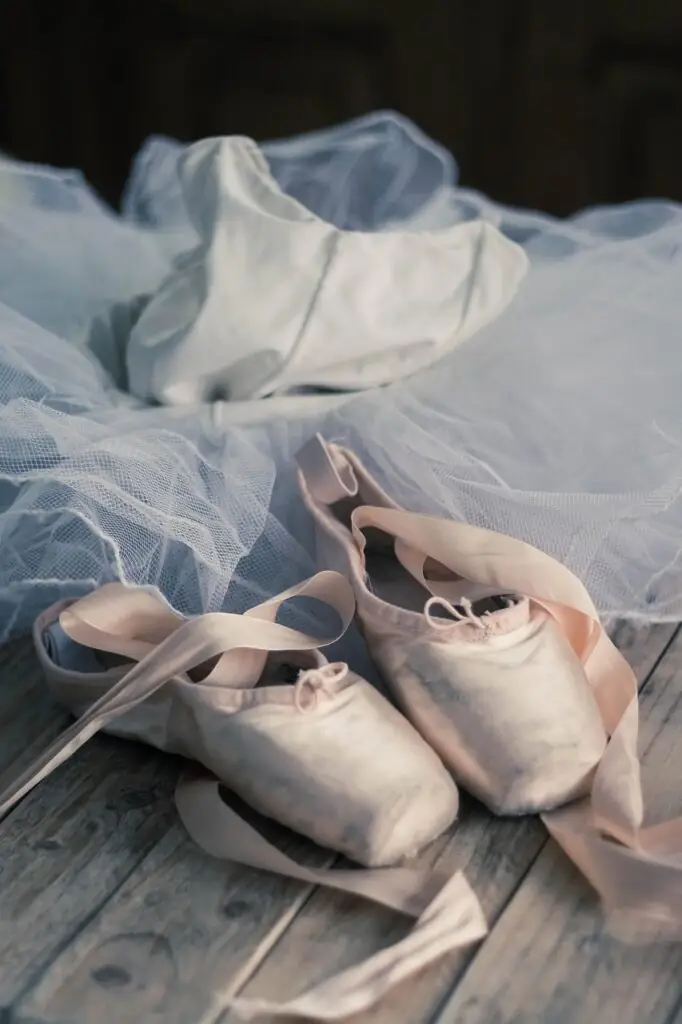
Beginners in ballet need soft ballet slippers. Leather lasts longer and gives a little more support, while canvas is lighter, breathes better and moulds to the foot quickly. Full-sole slippers give the foot more resistance and are often recommended for the first years; split-sole slippers make the pointed foot look longer. Many schools have a preference, so ask your teacher. Simple slippers cost from around CHF 10 in our ballet shoes section. More in our guide ballet slippers: leather or canvas, full or split sole.
Ballroom: Standard and Latin shoes
Ballroom shoes have suede soles that grip a wooden floor just enough for turns and still let you slide. Never wear them outside: dirt and moisture ruin the suede. Women’s Standard shoes are closed court shoes, Latin shoes are open sandals with a higher heel; men wear lace-up Standard shoes and Latin shoes with a Cuban heel. If you dance both styles at the start, a practice shoe with a lower heel is a sensible first pair. Children dance in girls’ and boys’ shoes with lower heels.
We stock ballroom shoes from International Dance Shoes, Aida and Grand Prix, with separate sections for Latin, Standard, practice and teaching, girls’ shoes and boys’ shoes. Read more: Latin or Standard shoes? How women’s ballroom shoes differ.
Jazz, contemporary and other styles
Jazz classes usually call for split-sole jazz shoes, contemporary is often danced barefoot or in foot thongs, and tap needs tap shoes with metal plates. Fitness dance classes work with ordinary trainers. If in doubt, ask the school before you buy: it saves you a pair that never gets used.
Rhythmic gymnastics: half shoes
Rhythmic gymnasts train and compete barefoot or in half shoes that cover the front of the foot. They protect the skin on the carpet and make pivots easier. See our half shoes and the guide half shoes: leather, microfibre or mesh?

How dance shoes should fit
- Snug, not painful: leather and fabric give a little with wear, so dance shoes should fit closer than street shoes.
- Toes flat: in ballet slippers your toes should lie flat, not curl.
- No slipping heel: in ballroom shoes the heel should stay in place when you rise.
- Sizes differ: dance shoe sizes often differ from your street size and between brands, so check the brand’s size chart.
- Children: leave only a little room to grow. Shoes that are too big make turns unstable.
Where to save, and where not to
Beginners do not need top competition models. A well-fitting mid-range pair made for your style is enough for the first year. Do not save on fit and on the sole: shoes that slip or lose their grip are uncomfortable and can be risky on a polished floor. Small accessories make shoes last longer: a suede brush, heel protectors and a shoe bag. See heel protectors, brushes and shoe bags and our accessories for shoes.
Caring for dance shoes
Brush suede soles regularly, keep the shoes in a breathable bag, let them dry after class and wear them only on the dance floor. Our guide how to care for your dance shoes has more tips.
FAQ
What are the best dance shoes for beginners?
Shoes made for your dance style that fit snugly: soft slippers for ballet, practice or ballroom shoes with a lower heel for Standard and Latin, split-sole jazz shoes for jazz.
Can I dance in trainers?
For hip-hop and fitness classes, yes. For ballet and ballroom, no: rubber soles grip too much for turns and do not let you work through the foot.
How often should dance shoes be replaced?
When the sole no longer grips or slides as it should, when the shoe stops supporting your foot, or when it no longer fits. Children usually outgrow their shoes before they wear them out.


